Cherry Tree Watercolor Photoshop Styles Guide
There is a distinct moment in the creative process when a design feels technically correct but emotionally flat. You have aligned your grids, balanced your color palette, and chosen a clean sans serif font for legibility, yet the composition lacks soul. This is where texture becomes not just an embellishment, but a structural element of your brand identity. The Cherry Tree Watercolor Photoshop Styles offer a bridge between digital precision and organic imperfection, allowing designers to infuse warmth into otherwise sterile layouts without sacrificing workflow efficiency.
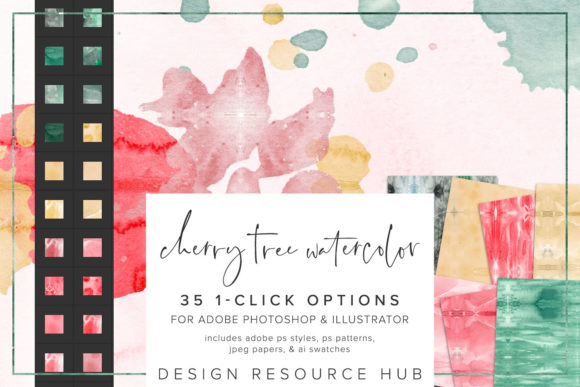
This collection is not merely a set of filters; it is a curated library of tactile experiences translated into digital assets. By leveraging Adobe’s native style engines, these tools provide one-click applications that mimic the bleed, granulation, and soft edges of traditional watercolor painting. For professionals ranging from boutique marketers to independent publishers, understanding how to integrate these textures can elevate a project from standard to standout.
The Aesthetic Appeal of Organic Texture
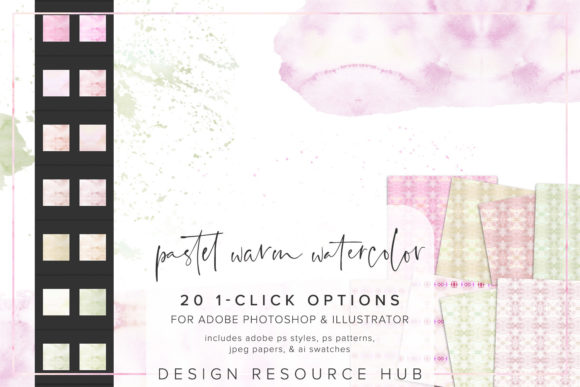
Watercolor as a medium is defined by its unpredictability. The way pigment pools on wet paper creates unique gradients and hard edges that are difficult to replicate manually in vector software. The Cherry Tree Watercolor Photoshop Styles capture this essence through high-resolution patterns and layered styles. When applied, they introduce a sense of handcrafted authenticity that resonates deeply with modern audiences who are increasingly fatigued by overly polished, corporate aesthetics.
Visually, these styles bring a softness that complements both bold display fonts and delicate script fonts. Imagine a wedding invitation suite where the background isn’t just white, but carries a subtle, cloudy wash of pale pink or sage green. Or consider a skincare packaging label where the texture suggests natural ingredients and gentle formulation. The personality of these styles is calm, artistic, and approachable. They do not shout for attention; instead, they create an atmospheric backdrop that allows your primary content—whether it is a logo or a headline—to breathe.
For designers working in editorial design, this textural depth adds a layer of sophistication. It breaks up large blocks of text and provides visual resting points for the eye. Unlike heavy grunge textures that can obscure readability, watercolor styles tend to be translucent and airy, ensuring that the underlying message remains clear while the overall mood is enhanced.
Strategic Applications Across Design Disciplines
Versatility is the hallmark of any valuable design asset. The included files—.pat for patterns, .asl for styles, and .ai for Illustrator swatches—ensure that these textures can be deployed across various stages of the design pipeline. Here is how different professionals can leverage this toolkit effectively:
- Branding and Logo Design: While logos often require clean vectors for scalability, adding a watercolor accent behind a monogram or within a badge-style logo can soften a brand’s image. This is particularly effective for businesses in the wellness, beauty, or artisanal food sectors.
- Social Media Graphics: In a feed dominated by sharp, high-contrast images, a post featuring soft watercolor borders or backgrounds stands out through contrast. It signals a slower, more thoughtful approach to content creation, which can increase engagement rates among audiences seeking authenticity.
- Packaging Design: Texture influences perceived value. Applying these styles to mockups or final print files can simulate the feel of premium, textured paper stock. This tactile suggestion can justify a higher price point for physical products.
- Web Design: Although web design prioritizes load times, using watercolor elements as hero section backgrounds or dividers can add uniqueness. The key is to optimize the JPEG paper files included in the pack for web use, ensuring they enhance rather than hinder performance.
When combining these styles with typography, consider the weight of your typeface. A heavy serif font pairs beautifully with the fluidity of watercolor, creating a classic yet modern look. Conversely, a thin handwritten font can get lost if the background is too busy. The seamless nature of the patterns in this pack allows you to adjust the scale, ensuring the texture supports rather than competes with your text.
Technical Integration and Workflow Efficiency
One of the most significant advantages of the Cherry Tree Watercolor Photoshop Styles is the seamless installation process. For those unfamiliar with importing external assets, the learning curve is minimal. Installing the .asl file via the Styles panel and the .pat file via the Patterns panel integrates these resources directly into your existing workspace. This means you are not hunting through folders every time you need a texture; it is right there in your dropdown menu.
For Illustrator users, the .ai swatch file is a game-changer. It allows you to apply vector-compatible textures to shapes and text outlines directly. This is crucial for packaging design and large-format printing where resolution independence is key. You can scale a shape filled with a watercolor swatch to the size of a billboard or a business card without losing clarity, provided the pattern is set to scale correctly.
To maximize the utility of these assets, experiment with blending modes. Multiply and Overlay are typically the most effective for watercolor textures, as they allow the white areas to become transparent while darkening the colored pigments. This technique is essential for maintaining readability when placing text over textured backgrounds. Additionally, adjusting the opacity of the style layer can fine-tune the intensity of the effect, allowing for subtle nuances that suit minimalist designs.
Making Informed Choices for Commercial Projects
Before integrating any new asset into a client project, it is vital to evaluate fit and licensing. The Cherry Tree Watercolor Photoshop Styles are designed for both personal and commercial use, making them a safe choice for freelancers and agencies alike. However, always review the specific license terms included with your download to ensure compliance with your client’s requirements.
When selecting a style from the pack, consider the emotional tone of the project. Are you aiming for romantic and soft, or bold and artistic? Test multiple variations on a small scale before committing to a full layout. Create a few quick comps using different color overlays to see how the watercolor interacts with your brand’s primary palette. Remember, consistency is key in brand identity; if you choose a specific watercolor style for your social media headers, carry that same textural language through to your email newsletters and printed materials.
Ultimately, these styles are tools to enhance your creativity, not replace it. They provide a foundation of quality texture that saves hours of manual painting or searching for stock images. By mastering their application, you add a sophisticated, human touch to your digital work, ensuring your designs resonate on a deeper, more emotional level with your audience.