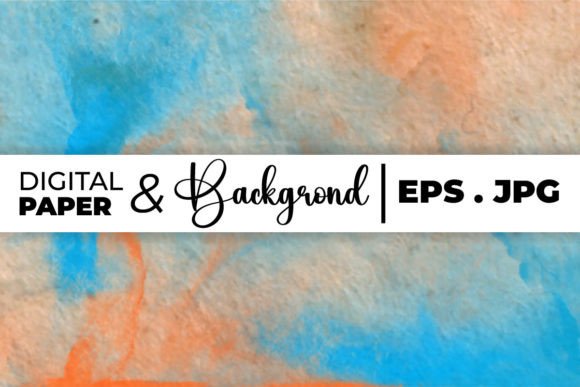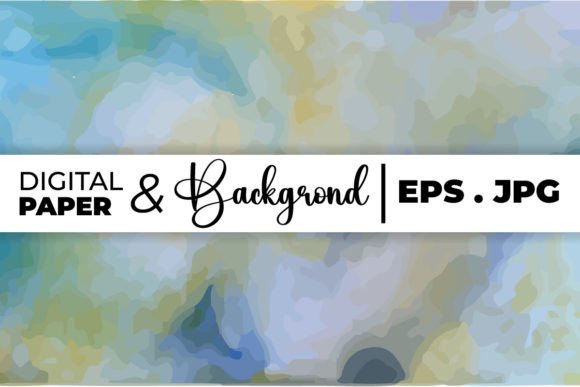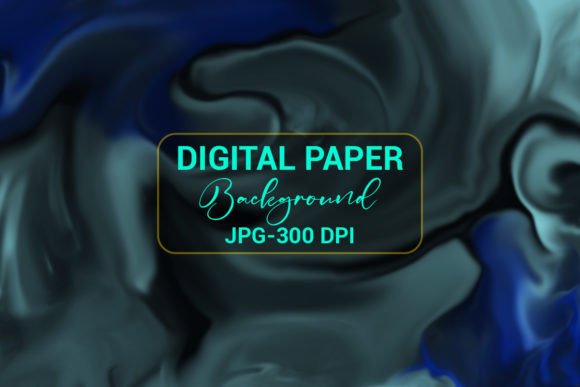
Elevate Your Visual Projects with a Multicolored Marble Texture Background
In the competitive landscape of digital design and print media, first impressions are often formed within milliseconds. Whether you are an independent author launching a new novel, a social media manager curating a brand feed, or a small business owner designing marketing materials, the visual foundation of your work matters immensely. This is where a Multicolored Marble Texture Background becomes an indispensable asset. Unlike flat, monochromatic colors that can sometimes feel sterile or uninspired, marble textures offer depth, luxury, and organic movement that instantly captivate the viewer’s eye.
The appeal of marble lies in its timeless elegance combined with modern versatility. By introducing a spectrum of colors into the traditional stone pattern, designers can break away from the classic white-and-gray aesthetic to create something bold, unique, and highly engaging. This article explores how integrating this specific texture into your workflow can solve common design challenges, enhance professional presentation, and streamline your creative process across various platforms.
Solving the "Blank Canvas" Problem in Design
One of the most significant hurdles creators face is starting from scratch. The "blank canvas" syndrome can lead to decision fatigue, where too many choices regarding color palettes, patterns, and layouts result in procrastination or mediocre outcomes. A high-quality Multicolored Marble Texture Background serves as a powerful solution to this problem by providing a pre-established visual hierarchy and mood.
When you utilize a ready-made texture, you are not just adding a picture; you are establishing a tone. The swirling veins and blended hues provide natural leading lines that guide the viewer’s eye toward your central content, whether that is text, a product image, or a logo. This eliminates the need to spend hours creating complex vector patterns or searching for free stock images that often lack resolution or uniqueness. Instead, you start with a professional-grade foundation that allows you to focus on messaging and layout rather than basic asset creation.
Versatile Applications Across Media Formats
The true value of a digital asset is measured by its adaptability. A single Multicolored Marble Texture Background can serve multiple functions across different industries and projects. Here is how you can leverage this resource effectively:
- Book Covers and KDP Interiors: For self-publishing authors, standing out on Amazon Kindle Direct Platform (KDP) is crucial. A vibrant marble cover suggests sophistication and quality. Furthermore, using a subtle, low-opacity version of the texture for book interiors adds a premium tactile feel to eBooks and print-on-demand paperbacks without distracting from the readability of the text.
- Social Media Posts: In feeds dominated by noise, consistency is key. Using a consistent marble background for quotes, announcements, or product highlights creates a cohesive brand identity. The multicolored aspect allows you to match specific campaign themes—such as pastels for spring collections or bold primaries for sales events—while maintaining a unified aesthetic.
- Web Backgrounds: Website headers and section dividers benefit greatly from textured backgrounds. They add depth to flat web designs, making the user interface feel more tangible and expensive. When used correctly, these textures can reduce bounce rates by making the browsing experience visually stimulating.
- Mobile Covers and Stickers: For those involved in print-on-demand merchandise, marble textures are perennial bestsellers. They appeal to a wide demographic looking to personalize their devices. The intricate details of the marble veins translate beautifully onto small surfaces like phone cases and sticker sheets.
Technical Quality and Ease of Implementation
A beautiful design is only as good as its technical execution. One of the primary concerns for users downloading digital assets is compatibility and resolution. This particular Multicolored Marble Texture Background is engineered to meet professional standards while remaining accessible to beginners.
The file is provided in a 300 DPI JPG format, compressed in a ZIP file for easy download. Why does 300 DPI matter? Dots Per Inch (DPI) is the standard measurement for print quality. While 72 DPI is sufficient for screens, anything intended for physical printing—such as book covers, flyers, or merchandise—requires 300 DPI to ensure crisp edges and no pixelation. By providing this high-resolution standard, the asset ensures that your final product looks professional whether it is viewed on a retina display or printed on glossy paper.
Furthermore, the JPEG format ensures universal compatibility. You do not need expensive software like Adobe Photoshop to use this background. It integrates seamlessly into everyday tools such as:
- Canva: Simply upload the JPG and set it as your page background. You can then overlay text boxes, elements, and photos with ease.
- Microsoft Word and PowerPoint: Ideal for creating professional reports, resumes, or pitch decks that stand out from the standard white templates. The texture adds a layer of corporate sophistication without being distracting.
- Other Graphic Applications: Whether you use GIMP, Photopea, or Affinity Designer, the standard JPG format ensures immediate usability without conversion hassles.
Tailoring the Approach for Different Users
Different creators will approach the use of a Multicolored Marble Texture Background in distinct ways, depending on their goals and expertise levels.
For the Novice Creator: If you are new to design, the recommendation is to keep it simple. Use the background as-is. Place white or dark contrasting text over areas of the marble that have less visual clutter. Let the texture do the heavy lifting. The multicolored nature means you likely already have a color palette defined by the image itself; use a color picker tool to extract accent colors for your buttons or headings to ensure harmony.
For the Professional Designer: You might use the marble texture as a base layer for more complex compositions. Consider using blending modes (such as Overlay or Soft Light) in advanced software to merge the texture with solid colors or gradients. You can also mask specific areas of the marble to highlight product photography, creating a dynamic interplay between the organic stone patterns and sleek modern products.
For Marketers and Business Owners: Focus on brand alignment. If your brand colors are blue and gold, select a marble variant that features these hues. Consistency builds trust. Use the background across all touchpoints—from your email newsletter headers to your business cards—to create a recognizable visual language that customers associate with your quality and reliability.
Maximizing Value Through Strategic Use
To get the most out of this design resource, consider the context in which it will be viewed. For digital screens, ensure that any text placed over the Multicolored Marble Texture Background has sufficient contrast. If the marble is busy, consider placing a semi-transparent shape behind your text to improve readability. For print applications, always proof a test copy to ensure the colors appear as expected, as screen calibration can vary.
Additionally, think about longevity. Trends come and go, but marble remains a classic. By choosing a multicolored variation, you future-proof your design against the fatigue of solid colors while avoiding the dated look of overly trendy graphic styles. This makes it a smart investment for long-term branding materials.
In conclusion, incorporating a Multicolored Marble Texture Background into your creative toolkit is more than just an aesthetic choice; it is a strategic move towards higher quality, efficiency, and professional presentation. Whether you are designing a book cover, enhancing a social media post, or creating a unique mobile accessory, this high-resolution, versatile asset provides the perfect blend of elegance and practicality. Thanks for downloading this design, and we encourage you to explore further resources, including KDP interiors, T-shirt designs, brushes, and illustrations, to continue elevating your creative projects.